

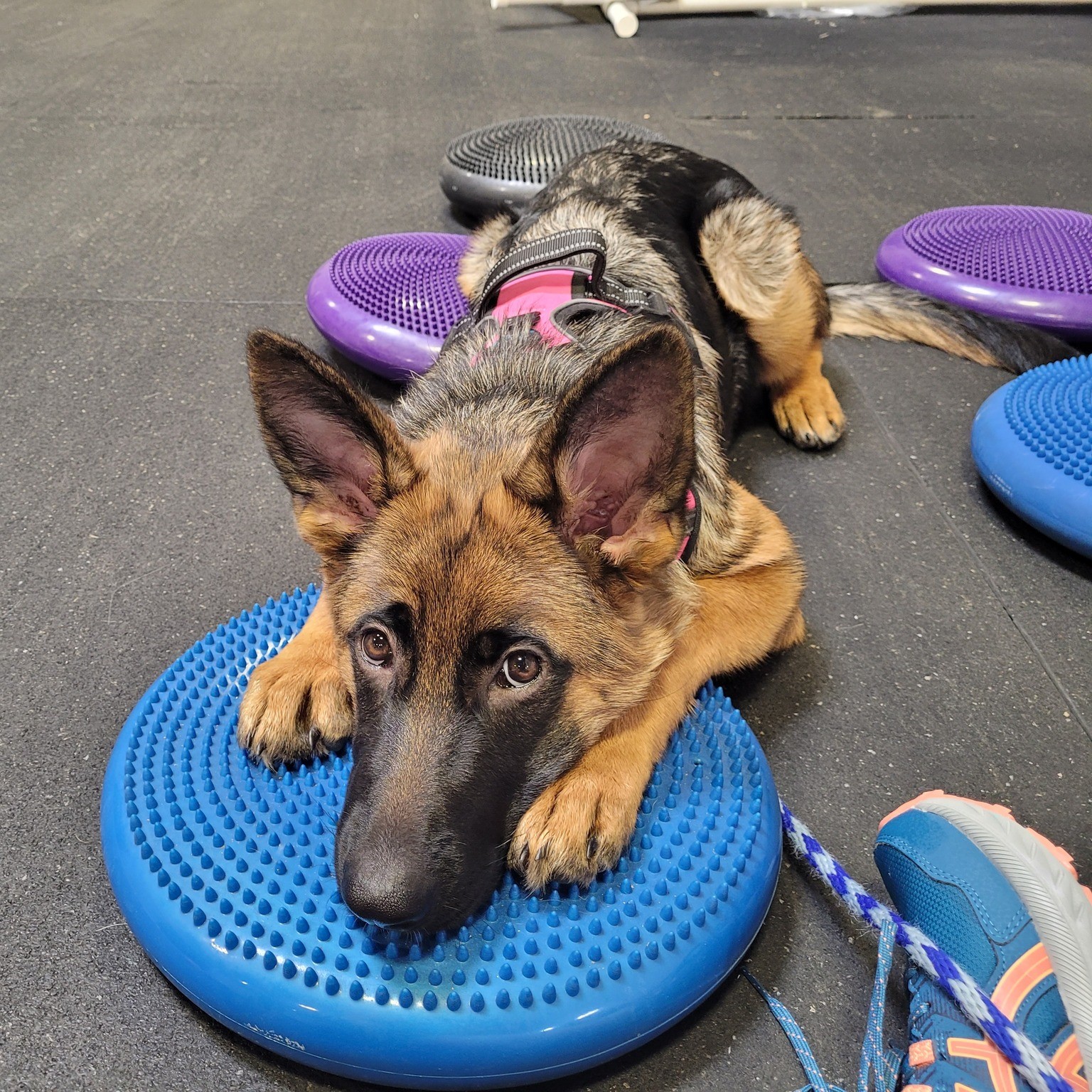
You survived puppyhood… or so you thought. Just when you thought your dog was starting to “get it,” they suddenly stop listening, steal socks, bark at strangers, pull like a freight train, and act like they’ve never heard their name before. Welcome to adolescence.
At our training center, we call this stage The Terrific Teenagers — because while it can be challenging, it’s also one of the most important developmental periods in your dog’s life. Understanding what’s happening can make all the difference.
What Is a Doggie Teenager?
Most dogs enter adolescence between 6 months and 24 months, depending on breed, size, and individual maturity. Your dog may look like an adult, but mentally and emotionally? Not even close.
During this stage, your dog’s brain is actively developing new neurological pathways. Priorities shift. Interests change. Impulse control disappears. Suddenly:
- Things they used to ignore become fascinating
- Recall becomes optional
- Boundaries are tested daily
- Emotions run high
- Independence increases
This is their “leave the nest” phase. They want freedom… but often lack the maturity to handle it.
Why Teen Dogs Feel So Hard
Many dogs are surrendered to shelters during adolescence — not because they’re bad dogs, but because owners often aren’t prepared for this normal developmental stage. Teenage dogs can be:
- Loud
- Impulsive
- Frustrating
- Destructive
- Hyperactive
- Reactive
- Emotionally dramatic
Sound familiar?
The good news: this phase is temporary, and with guidance, it becomes the foundation for a wonderful adult dog.
Boundary Testing Is Normal
Teen dogs often begin figuring out where they fit socially within the household. This can look like:
- Taking things that aren’t theirs
- Ignoring cues they know
- Pushing limits
- Pestering other dogs
- Acting “stubborn”
They’re not trying to dominate you — they’re growing up and learning social boundaries.
Breed Traits Often Wake Up During Adolescence
Many owners are surprised when instincts suddenly appear during this stage. Examples:
- Guardian Breeds – May become more alert, suspicious of strangers, or bark at noises.
- Herding Breeds – May begin chasing movement, nipping heels, or trying to control chaos.
- Retrievers – May become mouthy and carry everything.
- Scent Hounds – May suddenly discover their nose… and forget you exist.
- Terriers – May become intense diggers, chasers, and professional chaos coordinators.
Your dog is becoming who genetics intended them to be. That doesn’t mean you’re powerless, it just means enrichment matters.
Sexual Maturity: Hormones Enter the Chat
As dogs mature sexually, owners often notice:
- Marking indoors or outdoors
- Humping
- Roaming behavior
- Increased interest in smells
- Distraction around other dogs
These behaviors are common and often temporary.
Helpful Management Tips:
- Supervise closely indoors
- Clean accidents thoroughly with enzymatic cleaner
- Use belly bands temporarily if needed
- Redirect humping to appropriate toys
- Increase exercise and sniff opportunities
Hormones don’t excuse behavior — but they do explain it.
Female Dogs in Heat: What to Expect
If you’re delaying spay, your female dog may experience heat cycles. This has both physical and behavioral implications.
Common signs include:
- Swollen vulva
- Blood spotting
- Frequent urination
- Increased friendliness or flirtiness
- Nervousness or restlessness
- Seeking male dogs
During Heat:
- Avoid intact males
- Supervise outdoors carefully
- Use washable dog diapers if needed
- Offer extra enrichment and walks
- Keep routines calm and predictable
Big Feelings = Big Behaviors
Teen dogs often struggle with emotional regulation. This can show up as:
- Barking when excited
- Lunging toward dogs or people
- Pulling on leash
- Frustration screaming
- Public meltdowns
- Destruction at home
They aren’t “giving you a hard time.” They’re having a hard time. This is where patience matters most.
Fear Periods Can Return
Many adolescent dogs experience a second fear period between 6 and 14 months. Dogs who were previously neutral may suddenly fear:
- Strangers
- Other dogs
- Trash cans
- Grooming tables
- Vet visits
- Random objects on walks
This phase usually lasts 2–4 weeks. An important guideline is that if they were fine with it before and suddenly fearful of it now, treat them gently. Forcing them to confront the scary thing can create a permanent fear that last beyond the fear period.
During Fear Periods:
- Don’t force interactions
- Advocate for your dog
- Skip greetings
- Use cheerful reassurance
- Allow distance and choice
Your dog decides what feels scary, not us.
Meet a Need Every Dog Has: Scavenging & Foraging
Dogs are natural scavengers. Mental enrichment usually creates calmer dogs faster than endless physical exercise. If we don’t give them healthy outlets for this instinct, they’ll often create their own:
- Trash diving
- Counter surfing
- Stealing socks
- Hunting crumbs
- General household crime
Better Alternatives:
-
Treat Scatters – Toss food into grass for sniffing.
-
Find It Games – Hide food or toys around the house.
-
Puzzle Toys – Feed meals through enrichment toys.
-
Snuffle Mats – Excellent for rainy days.
How to Survive the Teen Months
Here’s the truth: Your dog does not need harsher discipline. They need:
- Structure
- Management
- Training consistency
- Breed-appropriate outlets
- Emotional support
- Patience
- Clear expectations
- Reinforcement for good choices
Use these tools to set them up for success while their brains are catching up:
- Baby gates
- Tethers
- Crates
- Ex-pens
- Supervision
- Routine training sessions
Set them up to succeed while their brain catches up.
The Best News: This Phase Ends
Teenage dogs can be exhausting. But if you guide them well through adolescence, you often end up with an incredible adult dog who trusts you deeply and has learned how to navigate the world. This is not the end of your good dog. This is the messy middle. And it matters.
Need Help With Your Doggie Teenager?
If your puppy suddenly feels like a tiny werewolf, we can help.
Call us! We’re happy to help and work with you to figure out what is the best plan of action for you and your dog. We have training catered to many different lifestyles and budgets!
Reach out today to learn more about training options in Dallas, Richardson, Plano, Frisco, and surrounding areas.